
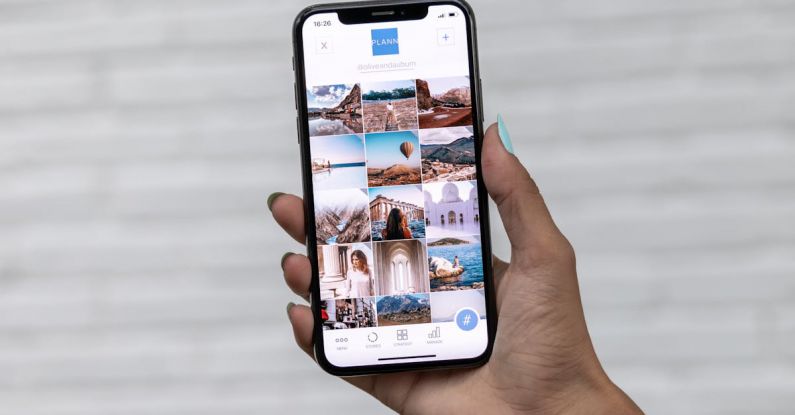
Creating a Seamless Mobile UI/UX Experience
In today’s digital age, mobile applications have become an integral part of our daily lives. With millions of apps available on various app stores, users have high expectations when it comes to the user interface (UI) and user experience (UX) of mobile applications. To stand out in this competitive landscape, developers must prioritize creating a seamless and enjoyable UI/UX design. In this article, we will explore the best practices for mobile UI/UX development that can help developers create user-friendly and visually appealing mobile applications.
Understanding User Behavior and Needs
Before diving into the development process, it is crucial to understand the target audience and their needs. Conducting user research and gathering feedback can provide valuable insights into user behavior, preferences, and pain points. By understanding how users interact with mobile applications and what they expect from them, developers can tailor the UI/UX design to meet those needs effectively.
Simplify Navigation and Structure
One of the key principles of mobile UI/UX development is to keep the navigation simple and intuitive. Users should be able to navigate through the app effortlessly and find what they are looking for without confusion. Implementing clear and consistent navigation patterns, such as using familiar icons and gestures, can enhance the overall user experience and make the app more user-friendly.
Focus on Visual Design and Branding
Visual design plays a significant role in creating an engaging and memorable mobile app experience. Developers should pay attention to elements such as color schemes, typography, icons, and imagery to create a visually appealing UI design. Consistent branding elements, such as logos and brand colors, can help reinforce brand identity and make the app more recognizable to users.
Optimize for Performance and Speed
In today’s fast-paced world, users expect mobile applications to load quickly and perform seamlessly. To ensure optimal performance, developers should optimize the app for speed by minimizing loading times and reducing unnecessary animations or effects. Additionally, it is essential to test the app on different devices and screen sizes to ensure a consistent user experience across various platforms.
Prioritize Accessibility and Inclusivity
Accessibility is a crucial aspect of mobile UI/UX development that should not be overlooked. Developers should design mobile applications with accessibility in mind, making sure that all users, including those with disabilities, can access and use the app effectively. This includes implementing features such as screen readers, voice commands, and text-to-speech capabilities to make the app more inclusive and user-friendly for all users.
Implement User Feedback and Iteration
User feedback is invaluable in improving the UI/UX design of a mobile application. Developers should actively seek feedback from users through surveys, reviews, and usability testing to identify areas for improvement. By iterating on the design based on user feedback, developers can continuously enhance the UI/UX of the app and provide a more satisfying experience for users.
Embrace Mobile-first Design
With the increasing popularity of mobile devices, developers should adopt a mobile-first design approach when creating mobile applications. This involves designing the app specifically for mobile devices, prioritizing mobile features and functionalities over desktop versions. By focusing on mobile-first design, developers can ensure that the app is optimized for mobile users and provides a seamless experience across different devices.
Conclusion: Elevating Mobile UI/UX Development
In conclusion, creating a seamless and user-friendly UI/UX design is essential for the success of a mobile application. By understanding user behavior, simplifying navigation, focusing on visual design and branding, optimizing for performance, prioritizing accessibility, implementing user feedback, and embracing mobile-first design, developers can elevate the UI/UX development process and deliver a superior mobile app experience. By following these best practices, developers can create mobile applications that not only meet user expectations but also stand out in the competitive app market.